

 ENG
ENG
 English
 русский
 Español
 Türk
Türk

Introduction to Gearbox Greasing and Lubrication
Industrial gearboxes operate under extreme conditions, from high torque loads to temperature fluctuations. Without proper greasing and lubrication, even the most robust R Series Helical Geared Motor or K Series Helical Bevel Gearmotor can suffer premature wear. This guide provides a practical, data-backed approach to greasing and lubrication, covering everything from lubricant selection to maintenance intervals.
Whether you are dealing with helical, bevel, or worm gear reducers, the fundamental principles of greasing and lubrication remain consistent. This article synthesizes industry standards and practical experience to help you optimize your gearbox lubrication strategy.
Understanding Gearbox Types and Their Lubrication Needs
Different gearbox designs impose unique demands on lubricants. Below is a breakdown of common industrial gearbox types and their specific greasing and lubrication characteristics.
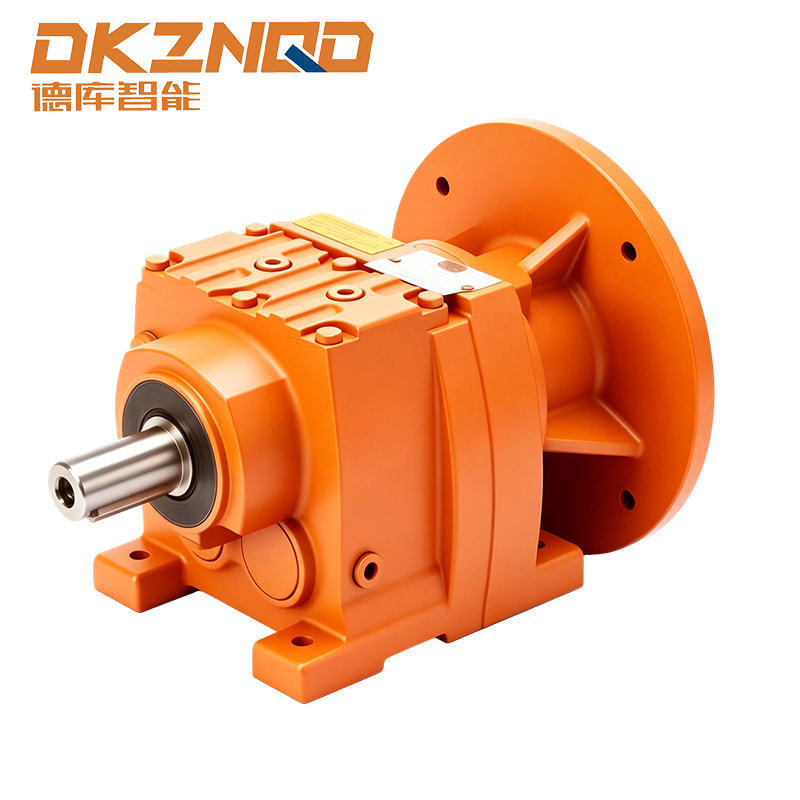
R Series Helical Geared Motor
High efficiency, low backlash. Requires grease recommended for gear boxes with excellent anti-wear properties. Typical viscosity: ISO VG 220-460.
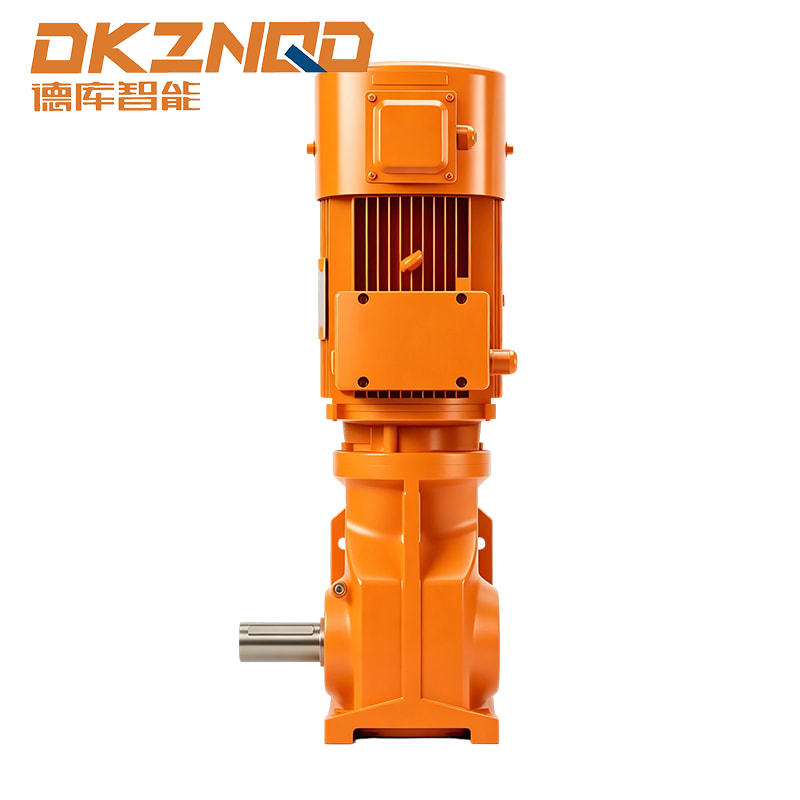
K Series Helical Bevel Gearmotor
Right-angle configuration. Demands industrial gear lubricants with high EP (Extreme Pressure) additives to handle shock loads.
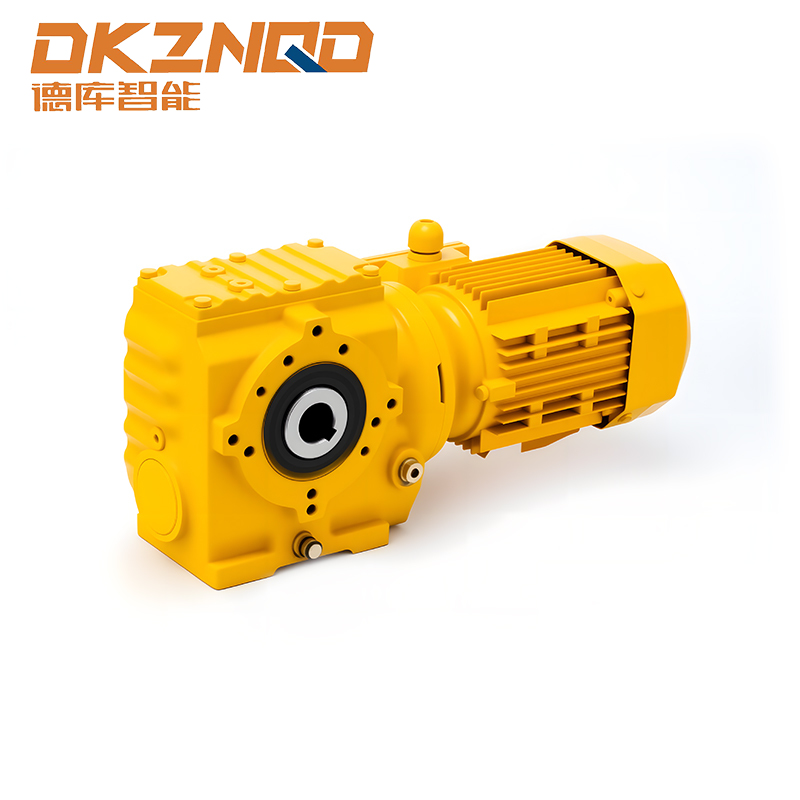
S Series Helical Worm Gearmotor
High sliding friction. Requires high-temperature gear grease or synthetic oil with low coefficient of friction. Viscosity: ISO VG 320-680.
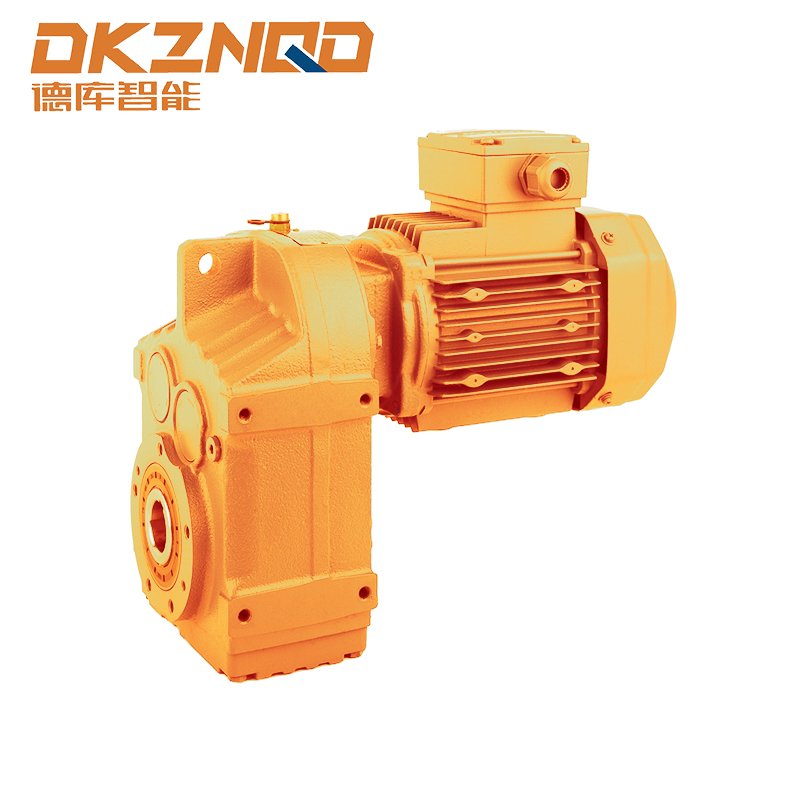
F Series Parallel Shaft Helical Gearmotor
Compact, high torque. Needs gear grease with good oxidation stability and foam resistance.
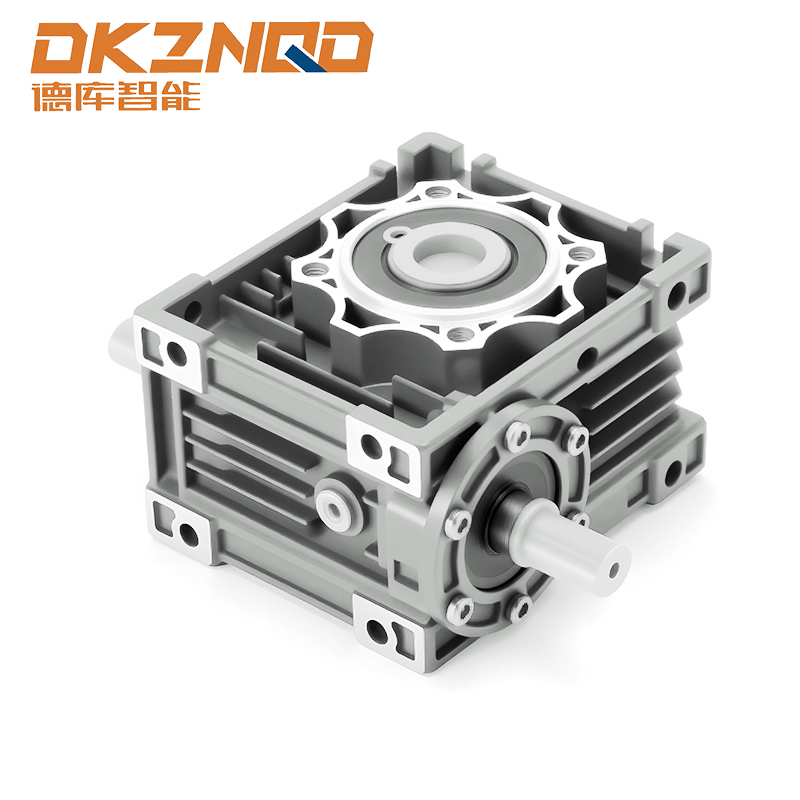
RV Worm Gear Reducer
High reduction ratios. Prefers grease recommended for gear boxes with high viscosity base oil and solid additives like molybdenum disulfide.
Selecting the right lubricant for each type is critical. For instance, the S Series Helical Worm Gearmotor generates significantly more heat due to sliding contact, so a synthetic high-temperature gear grease is often the best choice. Meanwhile, the F Series Parallel Shaft Helical Gearmotor operates with rolling contact, allowing for lower-viscosity oils.
Figure 1: Recommended Grease Viscosity by Gearbox Type
Key Properties of Industrial Gear Lubricants
Understanding the properties of industrial gear lubricants is essential for effective greasing and lubrication. The following table summarizes the most critical parameters.
| Property | Description | Impact on Gearbox |
|---|---|---|
| Viscosity | Measure of fluid resistance to flow | Determines film thickness; too low causes wear, too high increases heat |
| Viscosity Index | Change in viscosity with temperature | High VI ensures stable performance across temperature ranges |
| Flash Point | Temperature at which lubricant vapors ignite | High flash point reduces fire risk in high-temp environments |
| Pour Point | Lowest temperature at which oil flows | Important for cold-start applications |
| EP Additives | Extreme Pressure agents | Prevent welding and scoring under heavy loads |
| Oxidation Stability | Resistance to chemical breakdown | Extends oil life and reduces sludge formation |
When performing greasing and lubrication, always check the base oil viscosity and additive package. For example, grease recommended for gear boxes often contains anti-wear additives like ZDDP (Zinc Dialkyldithiophosphate) to protect gear teeth under boundary lubrication conditions.
Figure 2: Temperature-Viscosity Performance Comparison
Gearbox Maintenance Checklist for Greasing and Lubrication
A systematic approach to greasing and lubrication extends gearbox life. Use this gearbox maintenance checklist to ensure no critical step is missed.
- Inspection (Weekly): Check oil level, color, and smell. Dark, burnt-smelling oil indicates oxidation.
- Sampling (Monthly): Take oil samples for analysis. Monitor particle count and water content.
- Relubrication (Quarterly or as per OEM): Top up or replace grease. Use grease recommended for gear boxes.
- Seal Check (Every 6 months): Inspect shaft seals for leakage. Replace if hardened or cracked.
- Oil Change (Annually or 2,000-5,000 hours): Drain and flush the system. Refill with fresh industrial gear lubricants.
In addition, monitor operating temperatures. For every 10°C increase above 60°C, the oxidation rate of high-temperature gear grease doubles. This means more frequent greasing and lubrication intervals are necessary in hot environments.
Figure 3: Recommended Maintenance Schedule for Gearboxes
How to Choose the Right Grease for Gearboxes
Selecting the optimal grease for gearboxes involves multiple factors. Here is a step-by-step guide for greasing and lubrication decision-making.
- Identify Load Conditions: Heavy shock loads require high EP grease. Steady loads allow standard anti-wear grease.
- Determine Operating Temperature Range: For temperatures above 100°C, use synthetic high-temperature gear grease.
- Check Speed: High-speed applications need lower base oil viscosity to prevent churning losses.
- Consider Environment: Dusty or wet conditions demand grease with good sealing properties and corrosion inhibitors.
- Review OEM Recommendations: Always prioritize the manufacturer's specification for grease recommended for gear boxes.
For example, a RV Worm Gear Reducer operating at 90°C with moderate load would benefit from a synthetic PAO-based grease with ISO VG 460 and added molybdenum disulfide. This combination reduces friction and protects against wear.
Figure 4: Radar Comparison of Grease Types for Gearboxes
High-Temperature Grease: When and Why to Use It
High-temperature gear grease is formulated to withstand thermal degradation above 120°C. In applications like steel mills, kilns, or heavy-duty conveyors, standard greases fail rapidly. High-temperature gear grease uses synthetic base oils (PAO or esters) and thickeners like PTFE or polyurea to maintain consistency.
Temperature Guidelines
Mineral oil-based greases: effective up to 90-100°C. Synthetic PAO greases: up to 150°C. Ester-based greases: up to 180°C.
When selecting high-temperature gear grease, consider the dropping point (the temperature at which grease becomes fluid). A dropping point above 250°C ensures reliable greasing and lubrication in extreme heat. Also, check the oxidation stability; high-temperature greases often contain antioxidants to resist sludge formation.
Grease vs. Oil: Making the Right Choice
One of the most common questions in greasing and lubrication is whether to use grease or oil. Both have distinct advantages.
| Factor | Grease | Oil |
|---|---|---|
| Sealing | Excellent; acts as a seal against contaminants | Requires good seals to prevent leakage |
| Heat Dissipation | Poor; retains heat | Good; circulates and cools |
| Relubrication Frequency | Less frequent (monthly/quarterly) | More frequent (continuous or weekly) |
| Application | Slow-speed, high-load, or difficult-to-seal areas | High-speed, high-temperature, or circulating systems |
| Cost | Lower initial cost, higher disposal cost | Higher initial cost, lower disposal cost |
In practice, many R Series Helical Geared Motor units use oil splash lubrication, while RV Worm Gear Reducer often prefer grease due to their sealing constraints. Always consult the gearbox maintenance checklist for the right choice.
Speed Reducer Oil Change: How Often?
The speed reducer oil change interval depends on operating conditions. As a rule of thumb:
- Standard conditions (20-40°C, clean environment): 3,000-5,000 hours or 1 year.
- Severe conditions (high temp, dust, moisture): 1,500-2,500 hours or 6 months.
- Continuous duty with synthetic oil: Up to 10,000 hours or 2 years.
Oil analysis is the best method to determine actual change intervals. A simple gearbox maintenance checklist should include oil sampling and trending of viscosity, TAN (Total Acid Number), and particle counts.
Figure 5: Oil Change Intervals by Operating Temperature
Frequently Asked Questions
Q1: What is the best grease for gearboxes in high-temperature environments?
A: The best grease for high temperatures is a synthetic product with a high dropping point (above 250°C) and excellent oxidation stability. PAO or ester-based high-temperature gear grease with a PTFE thickener is often recommended for continuous operation above 100°C.
Q2: How often should I perform a speed reducer oil change?
A: Typically, a speed reducer oil change is recommended every 3,000-5,000 operating hours or annually under normal conditions. For severe conditions (high dust, moisture, or temperature), shorten the interval to 1,500-2,500 hours. Always use oil analysis to confirm.
Q3: Can I mix different brands of gear grease?
A: Mixing different brands or types of grease is not recommended unless compatibility is verified. Incompatible thickeners can cause hardening or softening of the grease, leading to lubrication failure. Stick to one grease recommended for gear boxes for consistent performance.
Q4: What are the signs that my gearbox needs immediate greasing and lubrication?
A: Warning signs include increased operating temperature, unusual noise (grinding or whining), visible leakage from seals, and metal particles in the oil. If any of these occur, perform a full gearbox maintenance checklist and re-lubricate.
Q5: Is synthetic grease worth the extra cost for industrial gearboxes?
A: Yes, synthetic greases offer superior thermal stability, longer service life, and better performance at extreme temperatures. For applications with high loads or continuous operation, the extended drain intervals and reduced downtime often justify the higher upfront cost.
 05 Jun,2025