

 ENG
ENG
 English
 русский
 Español
 Türk
Türk

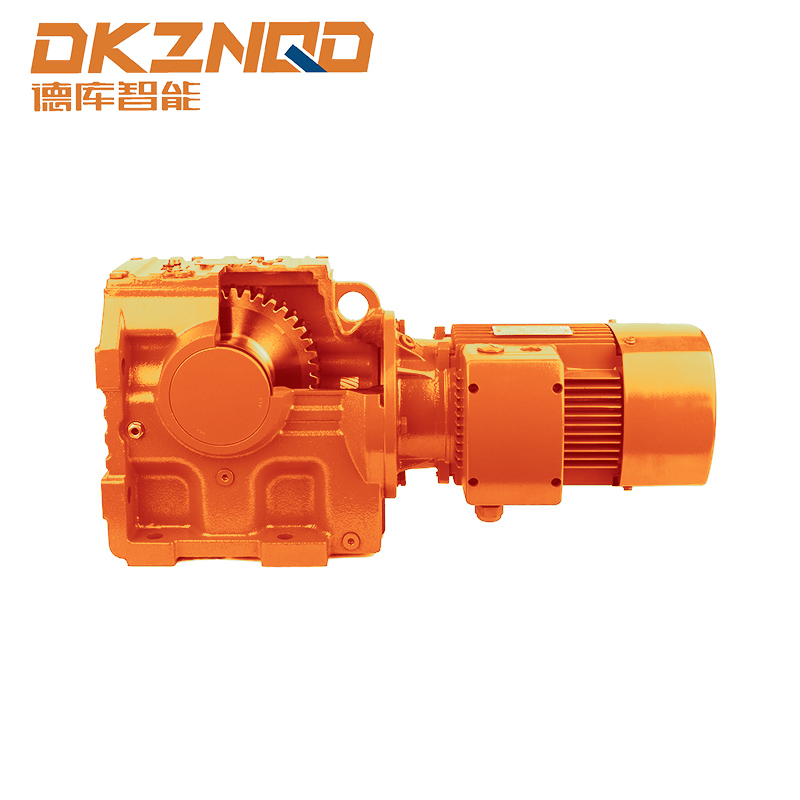
Defining the Core: What is a TEFC Motor vs Open Drip Proof Design
In industrial automation, selecting the correct electric motor enclosure is critical for longevity and performance. Two dominant classifications dominate the market: the totally enclosed fan cooled motor (TEFC) and the open drip proof motor (ODP). When engineers ask what is a tefc motor, they are typically seeking a robust solution for dusty, moist, or contaminant-rich environments. Conversely, ODP motors serve cleaner, indoor applications where maximum cooling efficiency is paramount.
The fundamental distinction lies in airflow and protection. A tefc motor meaning refers to an enclosure that prevents free air exchange with the environment, while using an external fan to cool the frame. This article provides a data-driven comparison of tefc vs odp, enclosure ratings, and application-specific decision criteria, including integration with drive components like the S Series Helical Worm Gearmotor.
Decoding TEFC Motor Meaning & IP55 Industrial Protection
The tefc motor meaning extends beyond simple sealing. According to NEMA (National Electrical Manufacturers Association) and IEC 60034-5 standards, a totally enclosed motor prevents the free exchange of air between the inside and outside, yet is not completely airtight. The fan-cooled aspect indicates an external shaft-mounted fan blows cooling air over the frame's external fins. This design achieves an ingress protection rating of at least IP54, with common configurations reaching IP55 industrial motor enclosure standards, meaning dust-protected and protected against low-pressure water jets from any direction.
Totally Enclosed Fan Cooled
- No external contamination ingress
- Suitable for dusty, humid, corrosive vapor areas
- External fan runs continuously (higher surface temp)
- Typical efficiency: IE3, IE4 available
Open Drip Proof
- Open ventilation path through motor
- Lower winding temperatures (better cooling)
- Not for abrasive dust or liquid splashes
- Lower initial cost, higher maintenance risk
Ingress Protection (IP) Comparison Table
| Enclosure Type | Standard IP Rating | Dust Protection | Water Protection | Typical Applications |
|---|---|---|---|---|
| TEFC (Totally Enclosed Fan Cooled) | IP55, IP56, IP65 | Dust protected (no harmful deposits) | Low-pressure jets / splashing | Woodworking, mining conveyors, outdoor pumps |
| ODP (Open Drip Proof) | IP22, IP23 | Limited (particles >12mm) | Dripping water at 15° angle | Clean HVAC, indoor compressors, dry warehouses |
Field data indicates that in high-humidity environments, TEFC motors exhibit 4x longer mean time between failures (MTBF) compared to ODP units, primarily due to winding insulation protection from moisture absorption.
Engineering Comparison: TEFC vs ODP Enclosure Performance
When evaluating tefc vs odp, design engineers weigh several factors: thermal management, environmental sealing, total cost of ownership, and compatibility with gearboxes such as the S Series Helical Worm Gearmotor. The table below provides quantifiable differences based on NEMA MG 1 standards.
Thermal & Efficiency Metrics
| Parameter | TEFC Motor | ODP Motor |
|---|---|---|
| Frame Temperature Rise (full load) | +55°C to +65°C (ambient + rise) | +40°C to +50°C |
| Relative Cooling Efficiency | Moderate (external fan) | High (direct internal airflow) |
| Hazardous Location Suitability | Yes (Class I, Div 2 with proper rating) | Rarely (arcing parts exposed) |
| Noise Level (typical 5HP) | 72-78 dBA | 68-74 dBA |
For integrated drive systems like the S Series Helical Worm Gearmotor, pairing with a TEFC input motor ensures that the entire power unit withstands washdown procedures or particulate-laden atmospheres common in food packaging or material handling.
Why Harsh Environments Demand Totally Enclosed Fan Cooled Motors
Industries ranging from cement production to chemical mixing rely on harsh environment electric motors to maintain uptime. An odp vs tefc decision becomes critical when contaminants are present. ODP enclosures allow airborne particles to accumulate on windings, reducing dielectric strength; moisture leads to corrosion of rotor bars and bearings. TEFC enclosures effectively block these threats.
- Dust-heavy operations: Grain handling, recycling plants – TEFC prevents abrasive wear.
- Outdoor variable weather: IP55-rated TEFC motors resist rain, snow, and dust storms.
- Corrosive vapors: Wastewater treatment (H2S gas) – totally enclosed fan cooled design protects internal copper.
- Food & beverage: Washdown zones require IP56 or IP66, typically TEFC-based designs.
When specifying a motor for an IP55 industrial motor enclosure, also consider the cooling method: In variable frequency drive (VFD) applications, TEFC motors require special attention because the shaft-mounted fan slows at low speeds, reducing cooling. In such cases, auxiliary forced ventilation may be added.
How to Select: TEFC or ODP Motor for Your Application
Choosing between these enclosure types involves answering three key questions about the operating environment, duty cycle, and maintenance strategy. Below is a practical decision matrix used by plant reliability engineers.
TEFC required
TEFC (IP55 minimum)
ODP acceptable (lower cost)
ODP or TEFC + blower
Integrating with gear reducers such as the S Series Helical Worm Gearmotor typically favors TEFC due to the combined unit often installed in protected but not necessarily clean locations. The compact design of helical worm units aligns well with TEFC's standardized mounting dimensions (B5, B14, B3).
Cost of Ownership Analysis
- Initial premium: TEFC typically adds 20–35% to motor cost vs ODP (for same HP).
- Energy impact: TEFC external fan adds ~2-4W per HP to total input power.
- Maintenance: ODP motors require periodic cleaning of windings (costly in hazardous areas).
- Lifetime value: In moderate-to-severe environments, TEFC extends motor life by 3 to 5 times.
FAQ: Critical Questions on TEFC and ODP Motor Enclosures
Q1: What is the main difference between TEFC and ODP motors?
TEFC (Totally Enclosed Fan Cooled) prevents outside air from entering the motor's internal components, using an external fan for cooling. ODP (Open Drip Proof) allows ambient air to flow directly through the motor windings for superior cooling but offers minimal protection against dust or liquids.
Q2: Can I use an ODP motor outdoors?
Generally not recommended. ODP enclosures are rated IP22 or IP23, which do not protect against rain or blowing dust. Outdoor installations require at least IP54, making TEFC the minimum standard for exposed locations.
Q3: Does a TEFC motor run hotter than an ODP motor?
Yes, typically TEFC motors have higher surface and winding temperatures because the internal heat is dissipated through the frame and external fins. However, they are designed with higher-grade insulation (Class F or H) to withstand normal operating temperatures, ensuring longevity.
Q4: What does IP55 industrial motor enclosure mean for TEFC motors?
IP55 means the enclosure is dust-protected (no harmful ingress) and protected against low-pressure water jets from any direction. Most industrial TEFC motors meet IP55, making them suitable for outdoor, washdown, and dusty factory environments.
Q5: Is the S Series Helical Worm Gearmotor compatible with both TEFC and ODP?
Yes, but for optimal reliability in industrial settings, the TEFC configuration is strongly preferred. The enclosed design prevents dust or moisture from entering the gearmotor interface and motor windings, maximizing the drive system's life.
Q6: Which enclosure is more energy efficient?
ODP motors have a slight efficiency advantage due to better internal cooling (lower stator resistance). However, high-efficiency TEFC motors (IE3 / IE4) close the gap, with modern designs achieving comparable overall efficiency within 0.5-1.5%.
Final Verdict: Matching Enclosure to Operational Reality
Understanding what is a tefc motor compared to ODP is not merely academic; it directly impacts plant reliability. Choose TEFC when contaminants, moisture, or outdoor exposure exist. Select ODP only for clean, dry indoor environments where maximum cooling and lowest initial cost are the sole priorities. For integrated drive solutions like the S Series Helical Worm Gearmotor, TEFC provides the robustness required for long-term industrial service. Always verify the specific IP rating and consult the motor datasheet for ambient temperature limits and de-rating curves.
Remember: The least expensive motor is not the cheapest if it fails prematurely. TEFC's higher upfront cost typically yields lower total cost of ownership when the environment is anything less than perfectly clean.
 05 Jun,2025