

 ENG
ENG
 English
 русский
 Español
 Türk
Türk

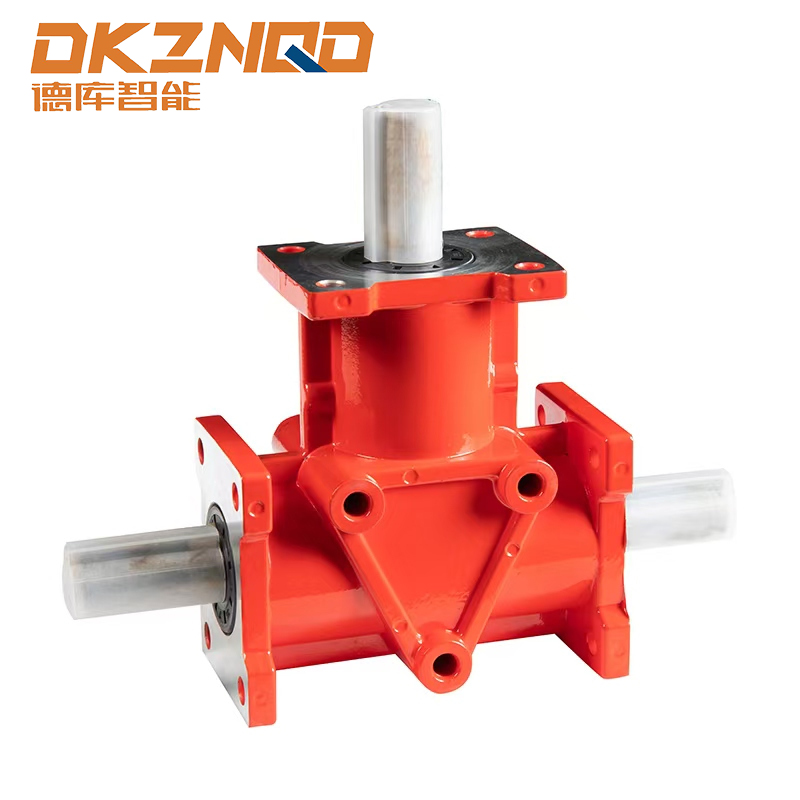
Critical Role of Material Selection in High-Speed Applications
In the realm of mechanical power transmission, the durability of a Spiral Bevel Gearbox is dictated primarily by the physical properties of its internal components. High-speed operations generate significant centrifugal forces and thermal stress, necessitating materials that can maintain structural integrity without succumbing to fatigue.
For B2B procurement managers and engineers, understanding the material science behind gear manufacturing is essential for reducing downtime and maintenance costs. Selecting the wrong substrate leads to premature pitting, scoring, or catastrophic tooth breakage, which can halt entire production lines in industrial settings.
Core Attributes for High-Speed Gear Materials
To ensure a long service life at high RPMs, materials must possess a specific balance of mechanical attributes. These parameters define how the gear responds to the dynamic loads encountered during continuous engagement.
Fatigue Resistance and Toughness
High-speed durability requires high contact fatigue strength to prevent surface pitting. At the same time, the core of the gear tooth must remain tough enough to absorb shocks without fracturing. This duality is often achieved through advanced alloy compositions and specialized heat treatments.
- Surface Hardness: Typically targeted between 58 to 62 HRC for optimal wear resistance.
- Core Toughness: Maintains the ability to withstand impact loads during sudden speed changes.
- Thermal Stability: Resistance to softening when operating temperatures rise above 100 degrees Celsius.
Top Tier Alloy Steels for Industrial Gearboxes
Alloy steels are the industry standard for high-performance Spiral Bevel Gearbox components. These materials are engineered with specific alloying elements such as Chromium, Nickel, and Molybdenum to enhance hardenability and strength.
| Material Grade | Key Alloying Elements | Primary Benefit |
| 18CrNiMo7-6 | Chromium, Nickel, Moly | Exceptional fatigue strength for heavy loads |
| AISI 8620 | Nickel, Chromium, Moly | Versatile hardenability and cost-effectiveness |
| AISI 9310 | High Nickel Content | Maximum core toughness and shock resistance |
| 20CrMnTi | Chromium, Manganese, Titanium | High surface hardness after carburizing |
The Impact of Heat Treatment Processes
The choice of material is only half the battle; how that material is treated determines the final durability of the spiral bevel gear. For high-speed applications, Carburizing (Case Hardening) is the preferred method.
Carburizing and Quenching
This process involves diffusing carbon into the surface of a low-carbon alloy steel. The result is a glass-hard outer shell with a ductile, shock-absorbing core. In high-speed scenarios, this prevents surface micro-cracks from propagating into the gear body.
Nitriding for Precision
While carburizing provides depth, nitriding offers extreme surface hardness with minimal dimensional distortion. This is critical for gears where high-speed noise and vibration must be minimized through maintaining strict geometric tolerances.
Optimizing Geometry and Surface Finish
Materials perform better when the surface finish is optimized. At high speeds, the thickness of the lubricant film is crucial. A rough surface will break through the oil film, leading to metal-to-metal contact and rapid overheating.
- Precision Grinding: Essential for spiral bevel gears to ensure a smooth tooth profile and reduce dynamic loading.
- Shot Peening: Introduces compressive residual stresses on the gear surface, which significantly increases resistance to bending fatigue.
- Superfinishing: Achieves a mirror-like finish (Ra < 0.1 microns), allowing for higher power density and cooler operating temperatures.
Technical Considerations for B2B Procurement
When sourcing a spiral bevel gear system for industrial automation or heavy machinery, focus on the Quality Grade of the steel. Premium vacuum-degassed steels are cleaner and contain fewer non-metallic inclusions, which are often the starting points for fatigue failure.
Procurement teams should verify that the manufacturer provides material certifications and heat treatment charts. A gear made of high-quality alloy but poorly heat-treated will fail as quickly as one made of inferior cast iron. Consistency in batch processing is the key to maintaining a fleet of high-speed equipment without unexpected outages.
Durability Comparison: Forged vs. Cast Components
In high-speed applications, the grain structure of the metal is vital. Forged steel is almost always superior to cast alternatives due to the alignment of metal grains with the gear tooth profile.
- Forged Steel: Offers higher density and better resistance to tooth root breakage. It is the gold standard for high-speed industrial gearboxes.
- Cast Steel: While cheaper to produce in complex shapes, it often contains microscopic porosity that can act as stress risers under high-speed rotation.
- Ductile Iron: Only suitable for low-speed, low-torque applications where vibration damping is more important than sheer strength.
Frequently Asked Questions
Q1: Why is 18CrNiMo7-6 often recommended for spiral bevel gears?
It offers an exceptional balance of high hardenability and impact toughness, making it capable of handling the complex sliding and rolling stresses found in spiral bevel tooth contact at high speeds.
Q2: How does surface roughness affect gearbox durability?
Higher surface roughness increases friction and heat, which breaks down the lubrication film. This leads to surface distress such as scuffing, which drastically shortens the gearbox lifespan.
Q3: Can stainless steel be used for high-speed spiral bevel gears?
Generally, no. Most stainless steels do not reach the necessary hardness levels to resist high-speed wear, although they may be used in specific low-load, corrosive environments.
Q4: What is the benefit of a high nickel content in gear steel?
Nickel significantly increases the toughness of the material, especially at lower temperatures, and improves the steel's ability to resist crack propagation under shock loads.
 05 Jun,2025