

 ENG
ENG
 English
 русский
 Español
 Türk
Türk

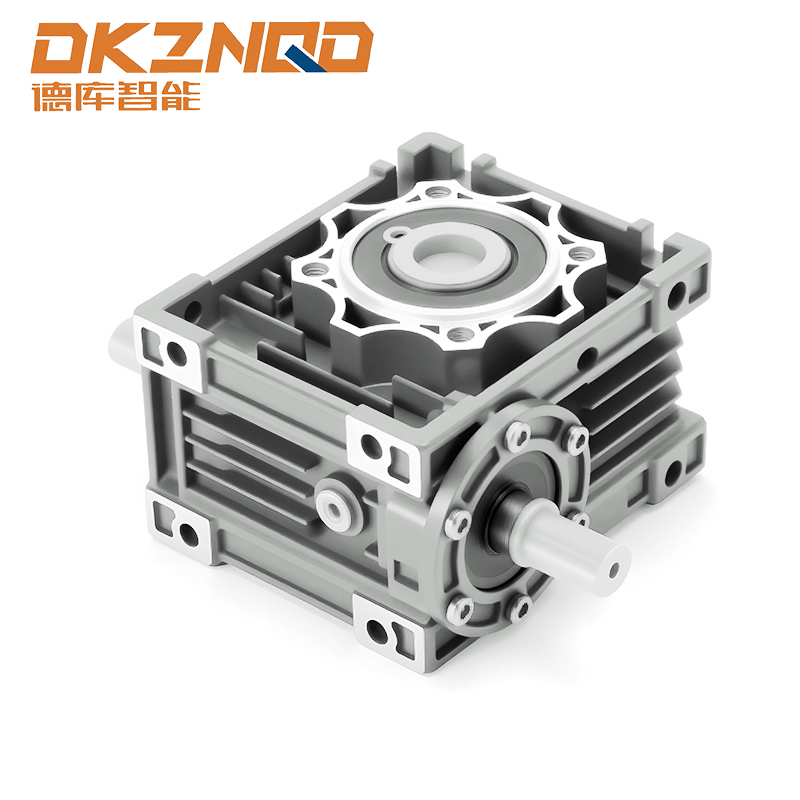
In food and beverage production, equipment reliability is directly tied to product safety and operational uptime. Among the most critical components in these facilities are the drive trains that power conveyors, mixers, fillers, and packaging machinery. In environments subjected to daily high-pressure caustic washdowns, standard painted motors and gear reducers become a liability. This is where stainless steel washdown duty motors and RV worm gear reducers demonstrate their essential value.
This technical guide explores the engineering, material science, and maintenance strategies behind these specialized components, providing actionable insights for plant engineers and maintenance managers in the food and beverage industry.
Understanding the Washdown Duty Motor
What Defines a Washdown Duty Motor?
A washdown duty motor is engineered to survive in environments where it is routinely exposed to high-pressure water, steam, caustic cleaning agents, and sanitizing chemicals. These motors are not simply standard motors with an extra coat of paint. They feature robust construction, specialized sealing systems, and corrosion-resistant materials.
The classification of washdown duty motor encompasses several tiers of protection. Painted washdown motors feature USDA-approved non-toxic epoxy paint for moderate chemical resistance, while paint-free and all-stainless steel versions provide superior protection for the most aggressive washdown cycles.
IP69K: The Gold Standard for Hygienic Environments
When discussing protection levels, the IP69K rating is the benchmark for food processing equipment. This rating ensures protection against high-pressure water jets up to 1,450 psi at close range (4 inches) and high-temperature water up to 80°C. For comparison, a standard IP67 motor offers protection against temporary immersion but not against the directed high-pressure jets common in sanitation cycles.
An IP69K stainless steel gearbox must maintain its seal integrity under these punishing conditions. This is achieved through a combination of double-lipped Viton oil seals, O-ring sealed connections, and precision-machined mating surfaces. Modern designs also incorporate features like domed or curved housing exteriors to prevent fluid pooling—a critical consideration since standing water and cleaning agents can accelerate corrosion and bacterial growth.
The Role of the RV Worm Gear Reducer in Food Processing
The RV worm gear reducer is a right-angle speed reduction solution frequently paired with washdown motors in food processing applications. The "RV" designation typically refers to a compact, modular worm gear design known for its versatility, efficiency, and ability to provide high reduction ratios in a small footprint.
Why Stainless Steel Worm Gears?
The use of stainless steel worm gears and housings addresses a critical industry challenge: corrosion resistance. A gearbox constructed from 304 or 316 stainless steel provides an impermeable barrier against the chlorinated and acid-based cleaning solutions used in food plants. Beyond corrosion protection, stainless steel worm gears are favored because they do not require surface coatings, eliminating the risk of paint chipping or flaking that can contaminate products.
Modern stainless steel worm gears are often paired with specialized worm wheel materials. Many manufacturers use a CuSn12Ni2 bronze alloy for the worm wheel, which provides excellent wear characteristics and high-efficiency gear tooth geometry. The combination of a hardened, ground stainless steel worm with a bronze wheel can achieve efficiencies exceeding 90%, minimizing heat generation and extending service life.
Performance Comparison: Stainless Steel vs. Painted Reducers
The decision between a painted or stainless steel reducer has significant long-term cost implications. While a painted reducer may have a lower initial purchase price, its total cost of ownership over a 5-year period in a wet environment can be substantially higher.
The data above illustrates a typical scenario based on industry estimates. The initial premium for stainless steel is offset by dramatically lower replacement costs, reduced downtime, and lower maintenance requirements over the life of the equipment.
Efficiency and Thermal Performance
Worm gear efficiency is influenced by the sliding action between the worm and wheel, which generates heat. High-quality stainless steel worm gears feature specially ground worm threads that reduce friction and improve efficiency. Some designs incorporate an internal bladder or breather system that expands and contracts with temperature changes, preventing pressure buildup while maintaining a sealed environment.
For applications requiring the highest efficiency, manufacturers have developed double-enveloping worm gear designs where the worm wraps around the gear, providing greater tooth contact and higher torque density. These designs are particularly valuable in space-constrained applications where high output torque is required.
Engineering Data and Selection Criteria
Key Selection Parameters
When specifying a washdown motor C-face mounting configuration with an RV worm gear reducer, several technical parameters must be evaluated to ensure proper performance and longevity.
Torque Requirements
Calculate the required output torque based on the driven load, including starting torque and any shock loads. Overhung load capacity on the reducer output shaft is critical—typically, stainless steel reducers offer capacities up to 8,325 lbs.
Ratio Selection
RV worm gear reducers are available in ratios from 5:1 to 100:1. Higher ratios provide greater torque multiplication but at reduced output speeds. Consider the motor base speed (typically 1725 or 3450 RPM for washdown motors) and the required output RPM.
Housing and Materials
316 stainless steel provides the highest corrosion resistance for the housing, covers, and flanges. 304 stainless steel is also common and offers excellent corrosion resistance at a lower cost point. All fasteners should be stainless steel, and all seal materials should be food-grade.
Lubrication
All units should be factory-filled with NSF H1 food-grade lubricant. Common specifications include ISO 460 PAG synthetic oils that provide excellent film strength and thermal stability across the operating temperature range.
The relationship between reduction ratio and efficiency in worm gears follows a predictable curve. As the reduction ratio increases, efficiency decreases due to the greater sliding friction at the tooth interface. Engineers must balance the need for high torque (higher ratio) against efficiency requirements, particularly for continuous-duty applications where energy costs are a significant factor.
Electric Motor Repair for the Food and Beverage Industry
When a washdown duty motor does require service, specialized repair procedures are essential. Standard repair shops may not have the expertise or facilities to properly restore a motor to its original washdown-rated condition. Electric motor repair for food and beverage industry applications requires:
- Clean room conditions to prevent contamination of the motor winding
- Proper moisture removal from windings before any electrical testing
- Replacement of seals and gaskets with original-specification materials
- Use of food-grade lubricants and sealants
- Documentation of repair procedures for food safety audits
Common Failure Modes and Prevention
Water ingress through seals is the leading cause of motor failure in washdown applications. Washdown duty motors address this through multiple barriers: contact seals on both ends, labyrinth seals, and in some cases, bearing isolators that provide non-contact protection. The most robust designs incorporate bearing isolators on the drive end that use a combination of static and dynamic sealing elements to prevent moisture from reaching the bearing cavity.
Preventive maintenance tip: Many facilities implement a scheduled seal inspection and replacement program. Even with the best sealing technology, exposure to caustic cleaning agents can degrade seal materials over time. Proactive replacement of Viton seals and gaskets can prevent catastrophic failures.
How to Select the Right Washdown Drive Solution
Selecting the optimal combination of washdown duty motor and RV worm gear reducer requires a systematic evaluation of operational requirements, environmental conditions, and budget constraints. The following decision framework can guide the selection process.
Mounting Considerations: The C-Face Standard
The washdown motor C-face mounting configuration has become an industry standard for its ability to provide precise alignment and secure mounting between the motor and reducer. The C-face flange, defined by NEMA standards, includes a pilot diameter and tapped holes that align the motor shaft with the reducer input. This direct coupling eliminates the need for flexible couplings in many applications, reducing maintenance points and improving overall system reliability.
Certifications and Standards
Equipment used in food processing must meet stringent regulatory requirements. The following certifications are essential for hygienic gearmotors and washdown components:
| Certification | Relevance |
|---|---|
| NSF International | Certifies that the equipment meets food safety and hygienic design requirements. This is a baseline requirement for food processing equipment. |
| USDA (United States Department of Agriculture) | Approval indicates that equipment meets standards for use in meat and poultry processing facilities. |
| BEAG / BISSC | Baking Industry Sanitation Standards Committee certification ensures equipment can be effectively cleaned in bakery applications. |
| IP69K | The highest ingress protection rating, indicating resistance to high-pressure, high-temperature washdowns. This rating is increasingly specified as a minimum for modern food plants. |
Equipment that carries these certifications has been independently tested and verified to meet the performance and hygiene standards required in food processing. When specifying components for a new line or retrofit, verifying these certifications is essential for regulatory compliance and food safety.
Frequently Asked Questions
Q1: What is the difference between a standard motor and a washdown duty motor?
A standard motor is designed for general industrial environments where exposure to moisture and chemicals is limited. A washdown duty motor incorporates specialized features including corrosion-resistant materials, enhanced sealing systems to prevent water ingress, and gasketed connections to protect internal components from moisture. Washdown motors also often feature laser-etched nameplates (rather than adhesive labels) to prevent bacterial entrapment and ensure compliance with food safety standards.
Q2: Why is stainless steel preferred for RV worm gear reducers in food processing?
Stainless steel, particularly grades 304 and 316, provides superior corrosion resistance compared to painted or coated alternatives. In food processing environments where equipment is exposed to caustic cleaning agents and high-pressure water, stainless steel prevents rust formation that could contaminate products. Additionally, stainless steel housings do not require surface coatings that can chip, peel, or harbor bacteria, making them inherently more hygienic.
Q3: What lubricant should be used in stainless steel worm gear reducers for food applications?
Food-grade lubricants that are NSF H1 registered must be used in all food processing gearboxes. Common specifications include ISO 460 PAG (polyalkylene glycol) synthetic oils that provide excellent film strength and thermal stability. These lubricants are safe for incidental food contact and meet the requirements of food safety regulations. Units should be factory-filled with the specified lubricant for the intended mounting position.
Q4: How often should washdown duty motors be maintained?
Maintenance frequency depends on the intensity of washdown cycles and the operating environment. A general guideline is to perform visual inspections weekly, check seals and gaskets monthly, and conduct comprehensive maintenance (including bearing inspection, winding insulation resistance testing, and seal replacement) at six-month intervals or according to OEM recommendations. Facilities operating in extreme environments may require more frequent maintenance.
Q5: What does IP69K mean and why is it important?
IP69K is the highest level of ingress protection defined by the IEC 60529 standard. An IP69K-rated component is protected against ingress of dust and can withstand high-temperature, high-pressure water jets up to 1,450 psi at a distance of 4 inches or less. This rating is particularly important in food processing because it ensures equipment can survive the rigorous sanitation cycles common in these facilities.
Q6: How do I determine the correct reduction ratio for my RV worm gear reducer?
The required reduction ratio is calculated by dividing the motor input speed by the desired output speed. For example, if you have a 1725 RPM motor and require 57.5 RPM at the output, you would need a 30:1 ratio (1725 ÷ 57.5 = 30). Available ratios for RV worm gear reducers range from 5:1 to 100:1, with the most common sizes being 10:1, 15:1, 20:1, 30:1, and 40:1.
 05 Jun,2025